





Satan concept: A practical tool in evangelism of Indian Tribes
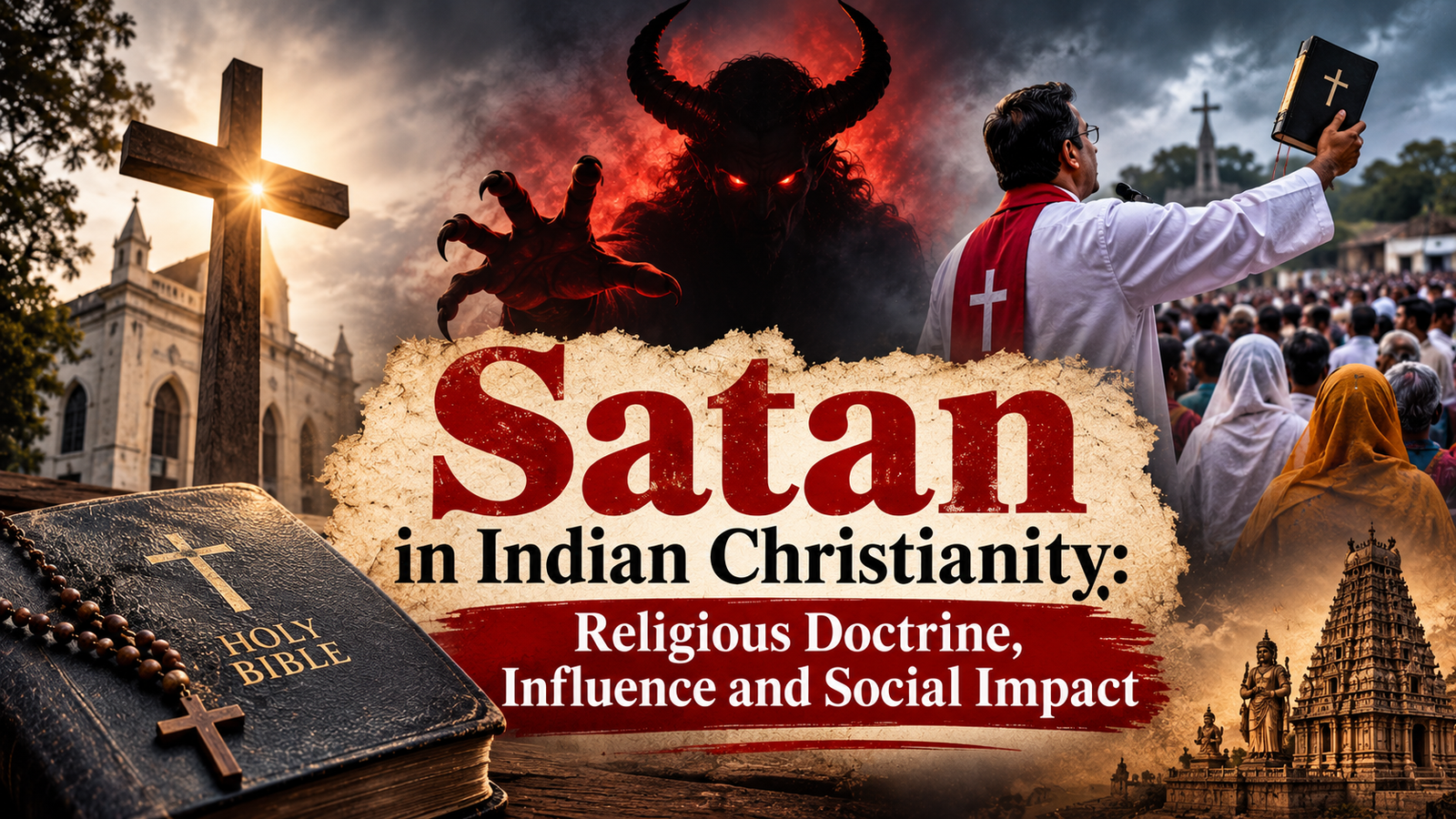
In Indian Christianity, the concept of Satan has been used primarily as a framework for spiritual dualism, conversion narratives, and confrontation with local religious practices.
Christianity entered India with a clear dualistic worldview: God versus Satan (the devil, the adversary, the source of evil, deception, and spiritual bondage). This differed significantly from most Indian traditions, particularly Hinduism, which does not have a single eternal cosmic enemy equivalent to Satan. Hindu texts feature asuras, rakshasas, and other adversarial beings, but these are usually temporary, subject to karma, often related to the gods, and not the absolute embodiment of evil opposing a supreme good.
Historical Missionary Use
Early European missionaries (Portuguese Catholics from the 16th century onward, and later Protestant British and other groups) frequently interpreted Hindu deities, idols, and temple practices through a Satan lens. Hindu gods were often described as “monsters,” “demons,” or direct representations of Satan. Idol worship was equated with devil worship. This framing positioned conversion to Christianity as liberation from Satan’s power and from spiritual darkness.
In colonial-era writings and preaching, the prevailing Indian religious landscape was sometimes portrayed as territory held by Satan. Missionaries presented Jesus as the one who breaks that hold. Local spiritual entities or village deities were reclassified as demonic forces or “territorial spirits.”
Role in Conversion and Evangelism
The Satan concept became a practical tool in evangelism:
- Deliverance narratives: Many conversion testimonies in India emphasize freedom from demonic possession, oppression, curses, or attacks attributed to previous religious practices, ancestral worship, or local deities. Healing and exorcism stories often feature Jesus casting out spirits that were previously addressed through traditional means.
- Demonization of other gods: Certain deities (especially fierce or protective ones like Kali in some missionary literature) or village guardians were labeled as manifestations of Satan or evil spirits. Converts were sometimes instructed that their former worship involved serving the devil.
- Spiritual bondage language: Hinduism (or tribal religions) was described in some older Western missionary materials as keeping people as “slaves” of Satan or under his hold through fear, tradition, and false gods.
This approach framed the Christian message as rescue from a personal adversary rather than simply a change of philosophical or ritual system.
Contemporary Use, Especially in Pentecostal and Charismatic Circles
In modern Indian Christianity—particularly among fast-growing Pentecostal, Charismatic, and independent evangelical groups—the Satan concept is highly active and practical:
- Spiritual warfare theology: Pastors and evangelists frequently teach about binding evil spirits, breaking curses, and engaging in spiritual battle. Hindu villages or temples are sometimes described as under the influence of “territorial spirits” or demonic powers linked to local gods. Prayer strategies often include protection against these forces.
- Exorcism and healing: Jesus is strongly presented as the exorcist and healer who has authority over Satan and all demons. This resonates in contexts where people already believe in malevolent spirits, possession, and misfortune caused by unseen forces. Pentecostal growth among Dalits, tribals, and rural communities is closely tied to reported deliverances and healings.
- Competition with traditional practitioners: Christian ministers often position themselves as more effective than Hindu mantravadis (exorcists) or other ritual specialists in dealing with spiritual problems attributed to Satan or demons.
- Everyday teaching: Sermons and teachings commonly address how Satan attacks believers, tempts, oppresses, or works through family, illness, poverty, or opposition. Believers are taught to resist through prayer, the blood of Jesus, and spiritual authority.
Overall Pattern
Christianity in India has used the Satan theory in three main ways:
- To explain the spiritual condition of non-Christians (under bondage or deception).
- To reinterpret local gods, spirits, and practices as demonic.
- To present Jesus as the decisive victor who delivers people from that power.
This dualistic framework has aided evangelism in some communities by addressing real experiences of fear, misfortune, and spiritual affliction. At the same time, it has generated significant tension, as many Hindus and others view the labeling of their deities as Satanic as deeply offensive and culturally aggressive.
The intensity of this usage varies widely: mainstream Catholic and mainline Protestant churches in India tend to be more restrained, while independent Pentecostal and evangelical groups often emphasize spiritual warfare more strongly.