

Role of Women Pastors in Gujarat: History, Religious Ministry and Social Activities
A historical and sociological account of women in Methodist and Methodist-related Christian ministry, with special reference to Gujarat
1. Introduction
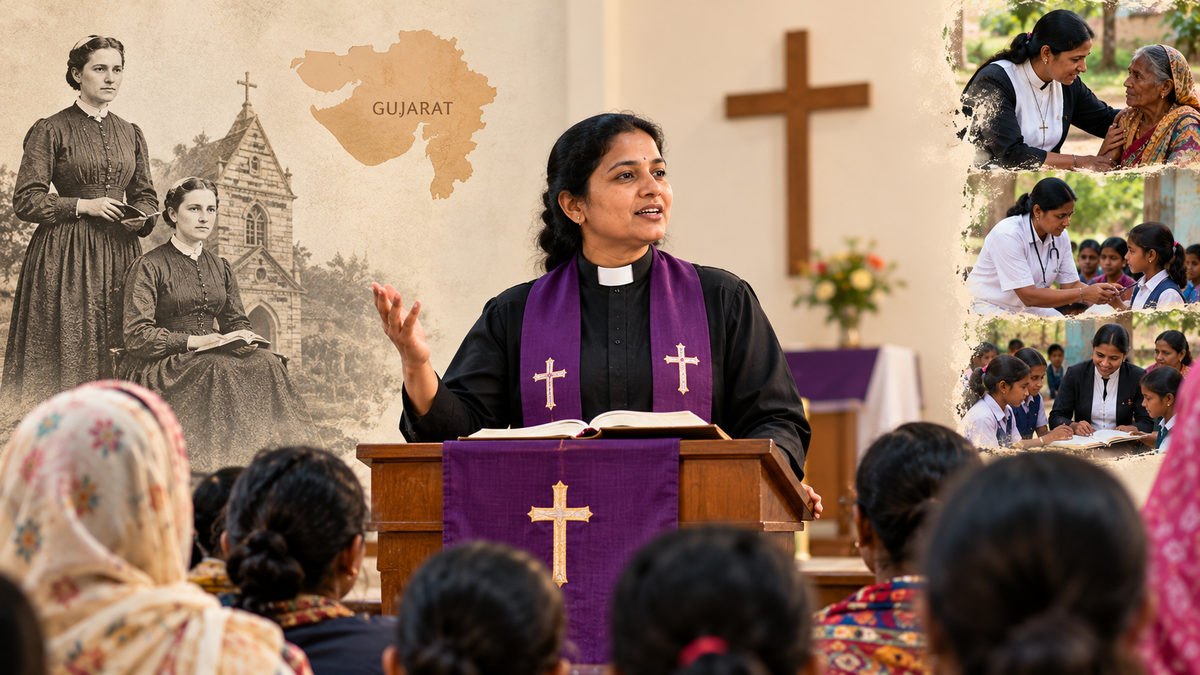
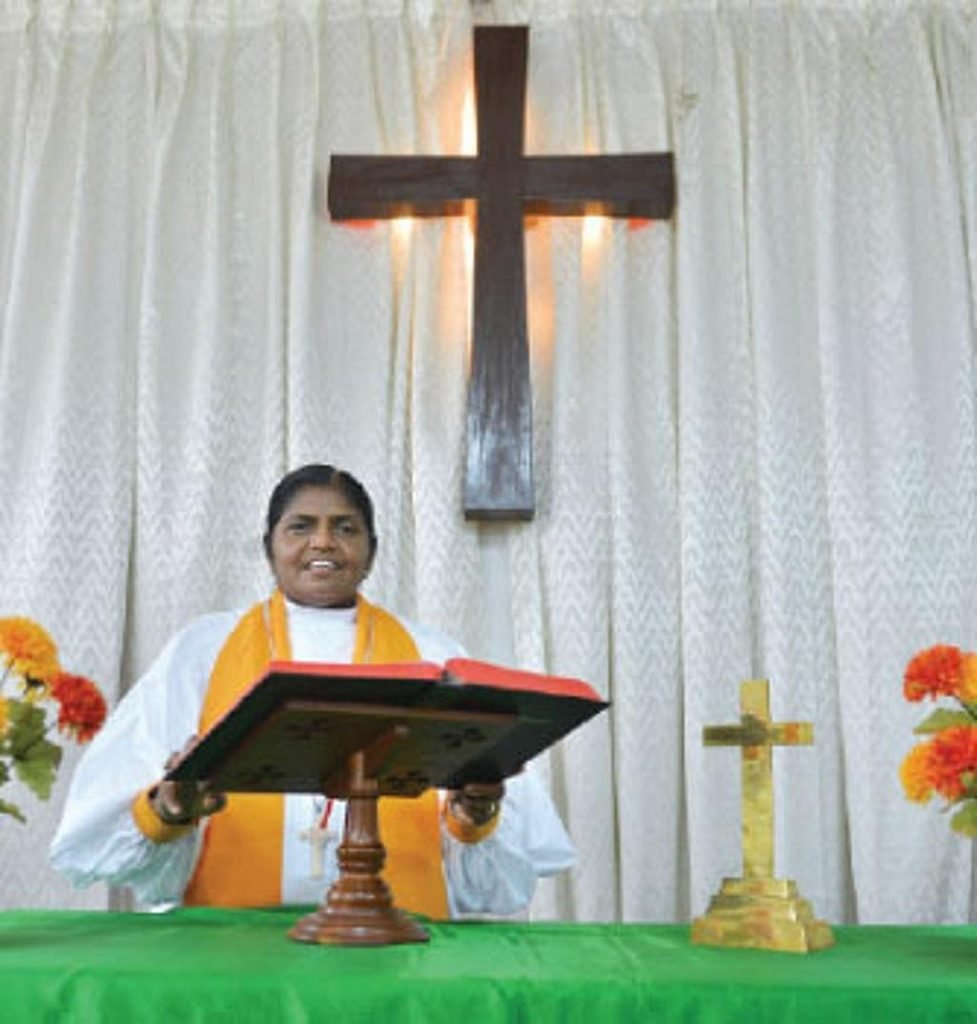
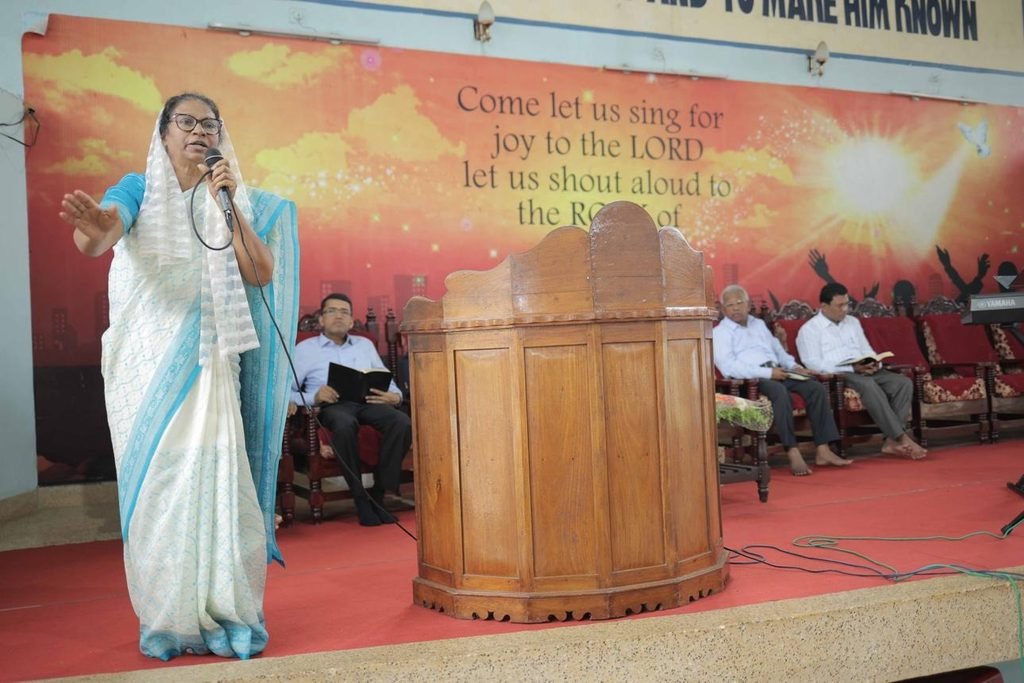
Women have played an important role in the history of Christianity in Gujarat through preaching, pastoral care, education, healthcare, women’s fellowship, community development and religious leadership. Their contributions extend from the early missionary period to contemporary church ministry. However, it is important to distinguish between women missionaries, women evangelists, ordained women pastors, deaconesses, lay leaders and women who lead congregational activities without holding formal pastoral office.
In the Methodist tradition, women’s involvement in ministry developed gradually. Women participated in religious teaching and evangelism before many Methodist denominations granted them full ordination rights. In India, missionary women also contributed to education and medical services among women and girls. The Methodist Church in India’s historical account identifies 1870 as a significant year because the Woman’s Foreign Missionary Society sent its first missionaries to India, including Isabella Thoburn and Clara Swain.
In Gujarat, the history of women’s ministry must be studied through two related but institutionally distinct contexts: the Methodist Church in India and the Church of North India (CNI), whose Gujarat Diocese includes traditions historically associated with Anglican, Methodist and Presbyterian churches. This distinction is especially important when discussing women pastors in Ahmedabad and other Gujarati cities.
2. Historical development of women’s ministry
2.1 The early Methodist tradition
The origins of women’s participation in Methodist ministry can be traced to the eighteenth-century movement associated with John Wesley. Women such as Mary Bosanquet Fletcher contributed to preaching and religious instruction, although women’s authority to preach and their formal status within church organizations developed unevenly.
In the United States, the Methodist Episcopal Church began licensing women as local preachers in 1920. Full clergy rights were granted by The Methodist Church in 1956. These developments are important milestones in the wider history of Methodism, but they should not be interpreted as proof that the same dates marked the beginning of women’s ordination in every Methodist body or conference in India.
2.2 Women missionaries in India, 1870 onward
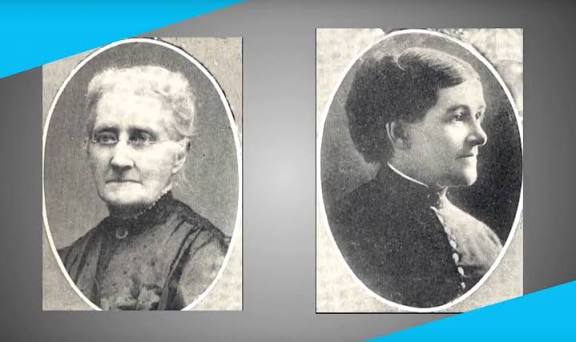
Isabella Thoburn (1840–1901)
Isabella Thoburn arrived in India in 1870 and became an influential Methodist educator. Her work in Lucknow contributed to the development of formal education for girls and women. She was an educator and missionary, rather than a Gujarat-based ordained pastor, but her work influenced the wider Methodist understanding of women’s public religious service.
Dr. Clara A. Swain (1834–1910)
Clara Swain arrived in India in 1870 and pioneered medical work among women. Her career illustrates how women’s ministry could include healthcare and humanitarian service as well as religious work. Her principal historical association was with northern India, not specifically Gujarat.
Both women are important to the background of women’s participation in Indian Methodist institutions. Their work demonstrates that women missionaries helped develop educational and medical services in circumstances where many women faced barriers to schooling and healthcare.
3. The emergence of women pastors in Gujarat
One of the most significant documented developments in women’s pastoral leadership in Gujarat occurred in the Gujarat Diocese of the Church of North India (CNI), which includes Methodist heritage within its united Protestant tradition.
Rev. Sonal Christian: an important milestone
A report published by Anglican Journal on 1 February 2003 documented the experience of Sonal Christian, identified as the first woman pastor in the CNI’s Gujarat Diocese. She had become a pastor approximately three years before the report, placing her appointment around 2000. At that time, she served at Emmanuel Church in Saraspur, Ahmedabad, a congregation reported to have approximately 75 families. The report stated that four additional women were at different stages of pastoral training and described initial resistance to women’s ordination, followed by a positive response to her ministry. It also noted that she was the only woman among 81 pastors in the diocese at that time. These figures describe the situation reported in 2003, not the present-day number of women pastors. Sonal Christian’s experience is significant because it illustrates the practical transition from women’s participation in church activities to formal pastoral responsibility. Her work also highlights a recurring challenge in institutional religious leadership: a woman pastor must establish pastoral authority while working within traditions where leadership had historically been dominated by men. Important clarification: Sonal Christian served in the CNI’s Gujarat Diocese. The CNI is a united Protestant church with Anglican, Methodist, Presbyterian and other historical traditions. Her appointment should therefore not be described as the first woman pastor of the separate Methodist Church in India unless independent Methodist records establish that claim. The distinction matters for an accurate history of women’s ministry in Gujarat.
4. Major activities of women pastors in Gujarat
The work of a woman pastor is not limited to delivering sermons during Sunday worship. Depending on the congregation, appointment and denominational rules, pastoral responsibilities may include worship, preaching, pastoral counselling, education, community outreach, women’s development and church administration.
Preaching and worship leadership: Women pastors prepare and deliver sermons, lead prayers, conduct Bible study, organize worship services and explain Christian teachings. Where their denominational authorization permits, they may also administer sacraments, officiate at weddings and funerals, and conduct baptisms.
Women’s fellowship and spiritual development: Women pastors often facilitate prayer groups, Bible study, women’s fellowships, retreats and mentoring programmes. These activities create opportunities for women to discuss family responsibilities, spiritual questions, personal difficulties and participation in church leadership.
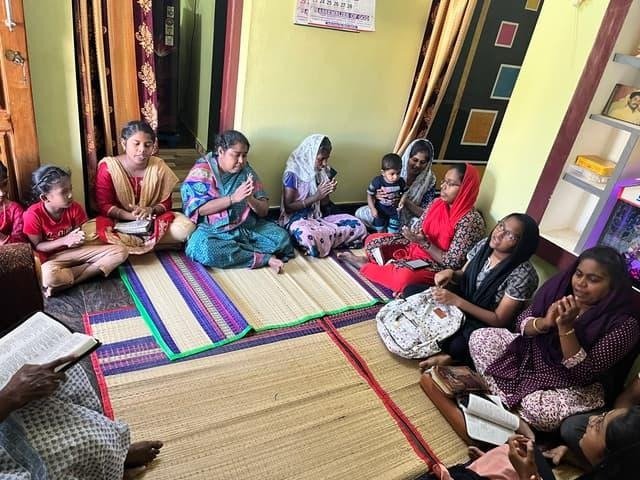
Pastoral care and counselling: Pastoral care can include visiting sick and elderly members, supporting grieving families, providing spiritual counselling and connecting vulnerable people with appropriate social services. Women pastors may be particularly accessible to women who feel more comfortable discussing sensitive concerns with a female religious leader.
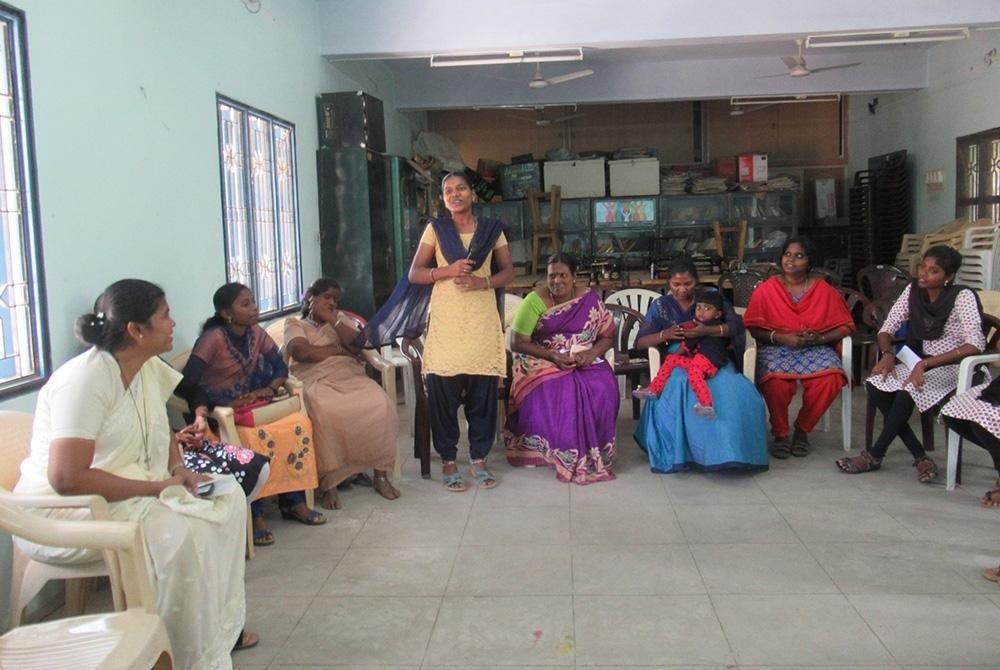
Education and social development: Depending on available resources, pastoral programmes may include literacy support, youth mentoring, vocational training, educational awareness and assistance for economically disadvantaged families. These activities are consistent with the wider Methodist tradition of combining religious service with education and social welfare, although individual programmes must be verified congregation by congregation.
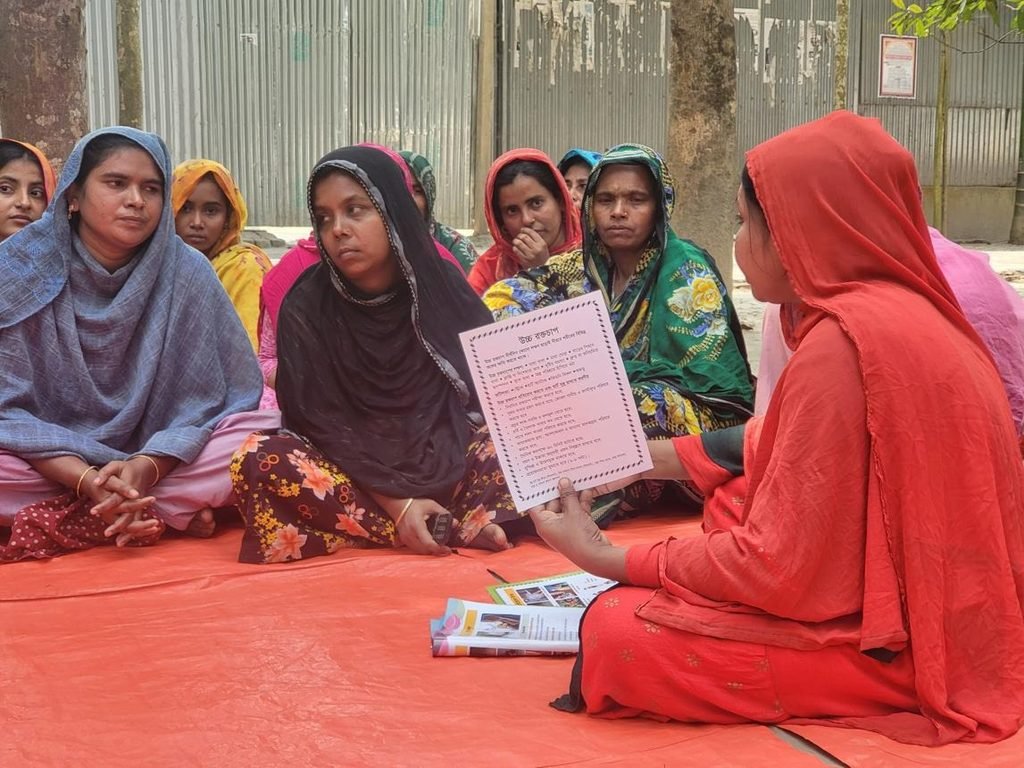
Health awareness and community welfare: Churches may organize health-awareness sessions, visits to patients, referrals to healthcare facilities and support for families experiencing hardship. Women’s ministry can also provide opportunities for discussing maternal health, child welfare, domestic violence and other community concerns. Such activities should be understood as possible pastoral and welfare functions rather than a verified list of programmes delivered by every Gujarat Methodist congregation. The activities described above are typical forms of pastoral and women’s ministry. Their actual implementation depends on the church’s resources, the pastor’s appointment and the governing denomination’s rules.
5. Deaconesses and women’s ministry in the Methodist Church in India
Women serving in Methodist institutions have not always held the formal title of pastor. The role of the deaconess has also been important in Methodist history. A deaconess traditionally serves through Christian education, pastoral assistance, visitation, community welfare, prayer ministry and support for congregational activities. The precise duties and ecclesiastical status of a deaconess vary by denomination and historical period; the role should not automatically be equated with that of an ordained elder or pastor. The National Council of Churches in India has published material on the Methodist Church’s women’s and deaconess work. The material discusses regional deaconess services, training programmes, seminars, the Women’s Society of Christian Service and the observance of a Women’s Work Week. It also describes initiatives intended to encourage women and pastors’ wives to participate in Bible teaching and to recruit and train women pastors and deaconesses. These records demonstrate that women’s ministry has been organized through structures extending beyond individual congregations. They also show that the development of women pastors has been linked with training, mentoring and the wider participation of women in church institutions.
6. Contemporary women’s Christian ministry in Gujarat
A recent example of organized women’s religious activity comes from the Gujarat Auxiliary of the Bible Society of India, which held its Mary Jones Women’s Conference on 9–10 July 2025 at the Christian Spiritual Life Centre in Bharuch. According to the Bible Society of India’s report, the conference included worship, prayer, discussions about women’s ministry, testimonies from senior women, interactive sharing and a keynote address. Rev. Anita Khristi spoke about perseverance in ministry, and Rev. Dr. Emmanuel Kant, identified as Vice President of the Gujarat Auxiliary and a Methodist district superintendent, was among the participants. This event offers evidence of women’s religious fellowship and leadership activity in Gujarat. However, it was a Bible Society of India programme involving participants from across the Christian community, not an event that should be attributed exclusively to the Methodist Church. Such distinctions are useful when studying cooperation among churches. Women pastors may participate in denominational programmes, ecumenical events, Bible societies, prayer networks and charitable activities while retaining their primary pastoral responsibilities within their own churches.
7. Challenges faced by women pastors
The historical evidence from Gujarat indicates that formal recognition of women as pastors did not necessarily remove every barrier to their leadership. The 2003 report on Sonal Christian explicitly described initial resistance to women pastors within the CNI Gujarat Diocese. So hidden agenda run behind this not to declare the name of woman pastor but operations and mission remain same.
Women in pastoral ministry may face challenges related to acceptance by congregations, access to senior leadership positions, professional training, financial resources and the authority granted by church governance structures. Many time church also criticize the women, this nature and extent of these challenges differ between denominations and individual congregations. A woman pastor’s appointment is also shaped by the rules of her church. The authorization to preach, administer sacraments, serve as an elder or bishop, and hold administrative office cannot be assumed to be identical across Methodist, CNI and other Protestant organizations.
8. Historical research framework for Gujarat
The following framework can help develop a more comprehensive academic account of women pastors and their activities in Gujarat.
| Period | Historical development to investigate | Potential documentary evidence |
| 1870 onward | Women’s missionary work in education, healthcare and religious service | Missionary reports and women’s foreign mission records |
| Late nineteenth century | Development of women’s education and women’s religious activities in Gujarat | Missionary correspondence, annual reports and local church histories |
| 1921 onward | Women’s participation in the Gujarat Annual Conference and associated institutions | Conference journals and church administrative records |
| Twentieth century | Development of women pastors, deaconesses and organized women’s societies | Ordination records, pastoral appointment lists and women’s conference reports |
| Around 2000 | Documented emergence of a woman pastor in the CNI Gujarat Diocese | Contemporary reporting on Sonal Christian |
| 2025 onward | Contemporary women’s fellowship, spiritual formation and ecumenical participation | Conference reports, denominational publications and interviews |
The early Methodist history and the formation of the Gujarat Annual Conference provide the institutional context for this research. The historical thesis by Ithiel Virjibhai Master, published in 1954, is an important source to consult for further details on women’s participation in Gujarat’s Methodist history.
For the more recent period, the Gujarat Diocesan Council’s Protestant church records cover baptisms, marriages, deaths and family registers for churches that became part of the CNI Gujarat Diocese. These records are useful for family and congregational history, although they are not by themselves a comprehensive register of women pastors or ordinations.
9. Conclusion
Women pastors and other women religious workers have contributed to the development of Christian ministry in Gujarat through preaching, worship, education, pastoral care, women’s fellowship and community welfare. The history of this work extends from the wider Methodist missionary tradition of the nineteenth century to contemporary women’s religious networks and church leadership.
The documented experience of Sonal Christian in the CNI Gujarat Diocese provides a notable example of a woman entering formal pastoral leadership around 2000. Methodist women’s organizations and deaconess programmes offer a complementary perspective on the institutional development of women’s ministry.
Nevertheless, a complete history of women pastors in the Methodist Church in India’s Gujarat Conference requires further denomination-specific evidence. In particular, the names of ordained women pastors, their dates of appointment, the congregations they served and their individual contributions should be drawn from official appointment lists, conference proceedings and church archives rather than inferred from the wider history of Protestant Christianity.